Back-to-School Dinner Sprint: 20-Minute Meals for Activity Nights
What’s in this guide
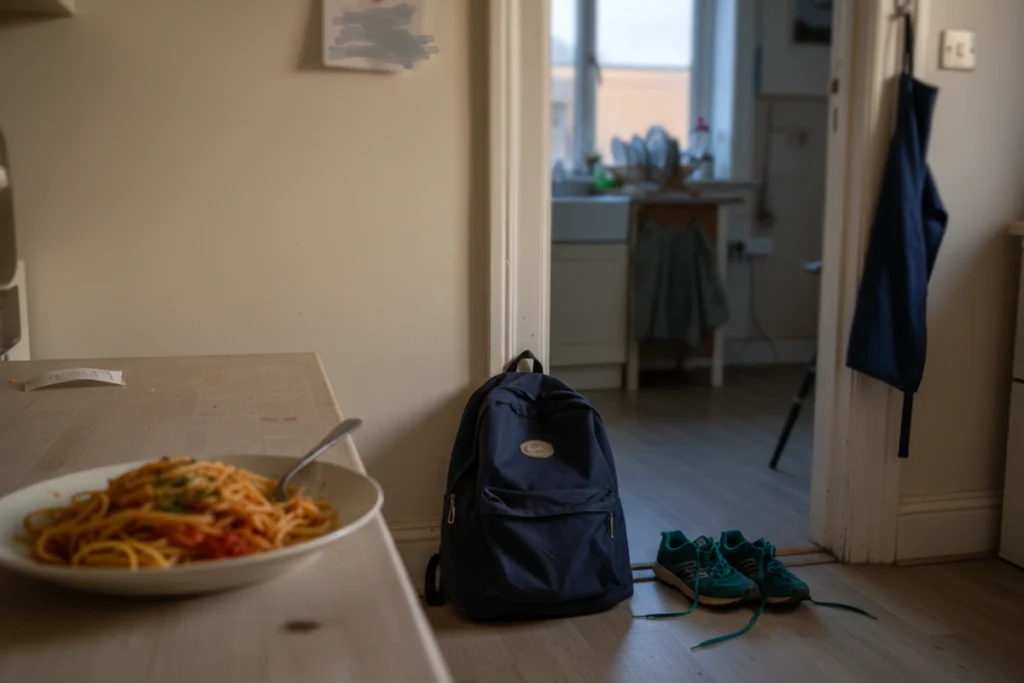
September arrives and three evenings a week acquire a fixed point in them — swimming at six, football at half five, something that ends at seven and involves a car.
The mistake is treating these as nights that need fast recipes. They do not. A 20-minute recipe still needs somebody standing in a kitchen for 20 uninterrupted minutes, and that is exactly what an activity night does not contain.
The constraint is attention, not time
Work out what the evening actually looks like before you plan a single meal. Usually it is: in at 4:50, out again at 5:35, back at 7:15 with somebody who is very hungry and somebody who ate a sandwich in the car.
Forty-five minutes exists in that evening, but it is not forty-five minutes of cooking attention — it contains a bag to unpack, kit to find, and a conversation about a permission slip. Anything needing continuous presence at a hob will not happen, whatever the recipe says.
The four shapes
One pan
Everything goes in together and the oven does the work unattended. The active time is five minutes at the start and nothing until it comes out. This is the shape that looks slowest on paper and fits the evening best.
Assemble only
Nothing is cooked at the point of eating. Wraps, a big salad with something substantial in it, a board of bits. Three minutes of putting things on plates, and it can happen at any point in the evening by anybody who is in the kitchen.
Made ahead
Cooked on Sunday, reheated on Tuesday. No new work on the night at all, which makes this the most reliable of the four. It depends entirely on something existing in the fridge, which is why it pairs with a weekend prep session.
Staggered
Two sittings on purpose. The one going out eats at five, everybody else eats at seven, and the same food serves both.
Households resist this because eating together is the thing they were trying to protect. But an activity night was never going to be a shared meal, and pretending otherwise produces one rushed dinner nobody enjoys instead of two calm ones. Most people who try it use it more than the other three.
The prompt
Active time is the number that matters
Rule one draws the distinction most recipes do not. A traybake that takes 40 minutes has about six minutes of active time. A stir-fry that takes 15 has 15, every one of them standing at the pan.
On an activity night the traybake is the fast meal, which is the opposite of how it looks on a recipe card. Asking for active minutes rather than total minutes reorders the entire week.
Rule five, and why it is in there
Some nights do not contain a dinner. In at 5:10, out at 5:25, back at eight — there is no meal in that evening, and a plan that invents one is a plan that fails on the first Tuesday.
The honest version says so and suggests something substantial eaten in the car at half five, with a proper meal earlier or the next day. That is not a failure of planning, it is planning. The same principle as the honesty rule in the pantry audit: a true answer about four nights beats an invented answer about five.
The first fortnight is the expensive one
Term starts and nobody knows yet how long the drive takes, whether the class overruns, or how hungry anyone is afterwards. The first plan will be wrong in two places. The same fortnight usually needs packed lunches too, and four slots and five anchors covers those without a second decision each morning.
Write down what actually happened rather than what was supposed to, and rebuild after two weeks with the real times in it. September plans made in August are always slightly fictional, and the fortnight of data is what makes the rest of the term work.
The printable
The Weekly Dinner Planner has seven lines, and on an activity week it is worth writing the shape beside each one rather than the meal. The shape is what has to survive the evening.
Questions about activity-night dinners
Why ask for active time instead of total time?
Because they are completely different constraints on these nights. A 40-minute traybake has about six minutes of active time and a 15-minute stir-fry has fifteen. On an evening with a fixed departure in it, the traybake is the faster meal, which is the reverse of how recipe cards read.
Is eating in two sittings really acceptable?
On an activity night it is usually the best available option. The shared meal was not going to happen anyway, and pretending otherwise produces one rushed dinner nobody enjoys rather than two calm ones. Most households that try it end up using it more than the other three shapes.
What if there is genuinely no time to eat?
Then the plan should say so rather than inventing a meal. Something substantial in the car at half five, with a proper meal earlier or the next day, is a real answer. A plan that puts a dinner into an evening with no room for one fails on the first Tuesday.
How far ahead should I plan the term?
Plan a fortnight, then rebuild it. Nobody knows in August how long the drive takes or whether the class overruns, so the first plan is always slightly fictional. Write down what actually happened and the second version will hold for the term.
Do I need to do weekend prep for this to work?
Not for all four shapes — one pan and assemble only need nothing in advance. Made ahead is the most reliable of the four and it does depend on something existing in the fridge, so one prep session a week makes the plan considerably easier to hold.
Keep going
-

Why Your AI Meal Plans Get Repetitive by Week Two (And the Fix)
Chicken again. Four reasons the same meals keep coming back, three of which are things you control, and what to change in the prompt for each.
-
AI Meal Plans for Picky Eaters (The Rotation That Ends Dinner Fights)
Four accommodations that make dinner workable, and the one that is about the adults rather than the child. Plus the prompt that builds a week around them.
-
The Lunchbox System: A Week of Kids’ Lunches in 20 Minutes
Four slots, five anchors, and a fortnight is covered. The decision gets made on Sunday instead of at ten past seven every single morning.